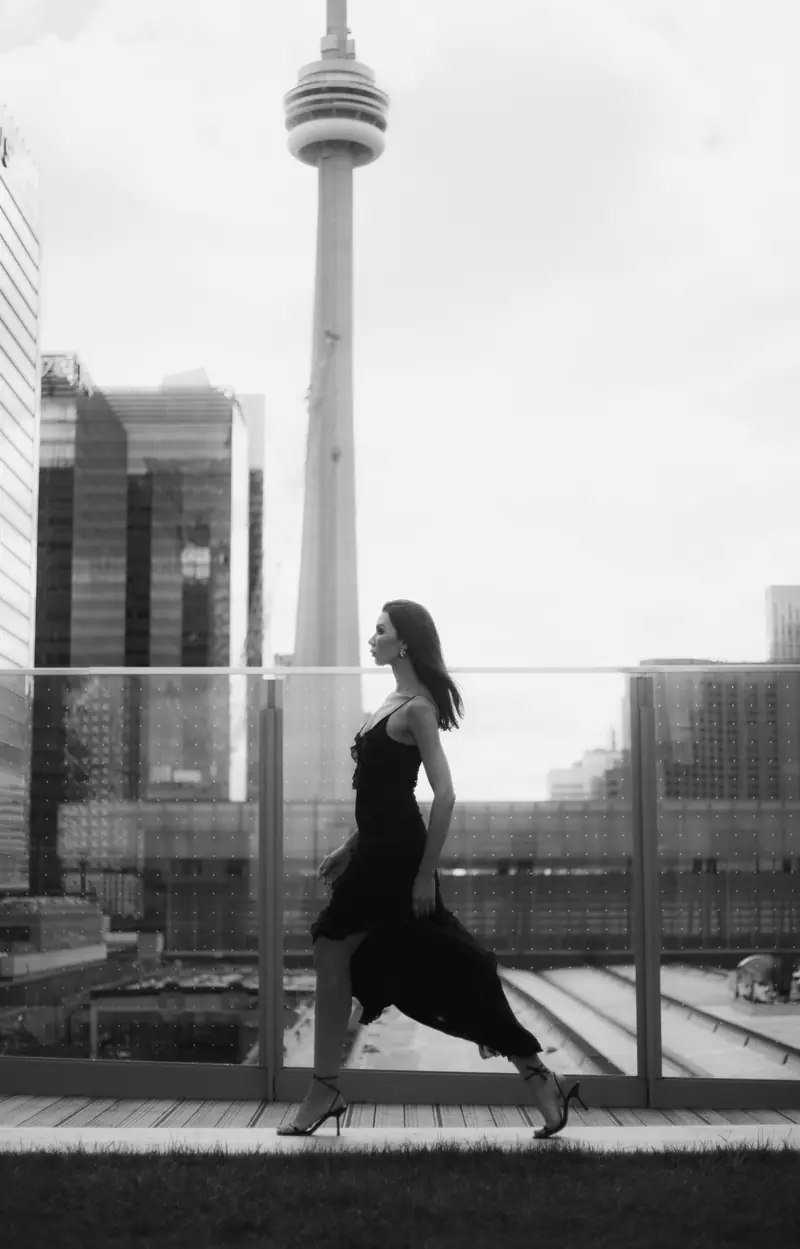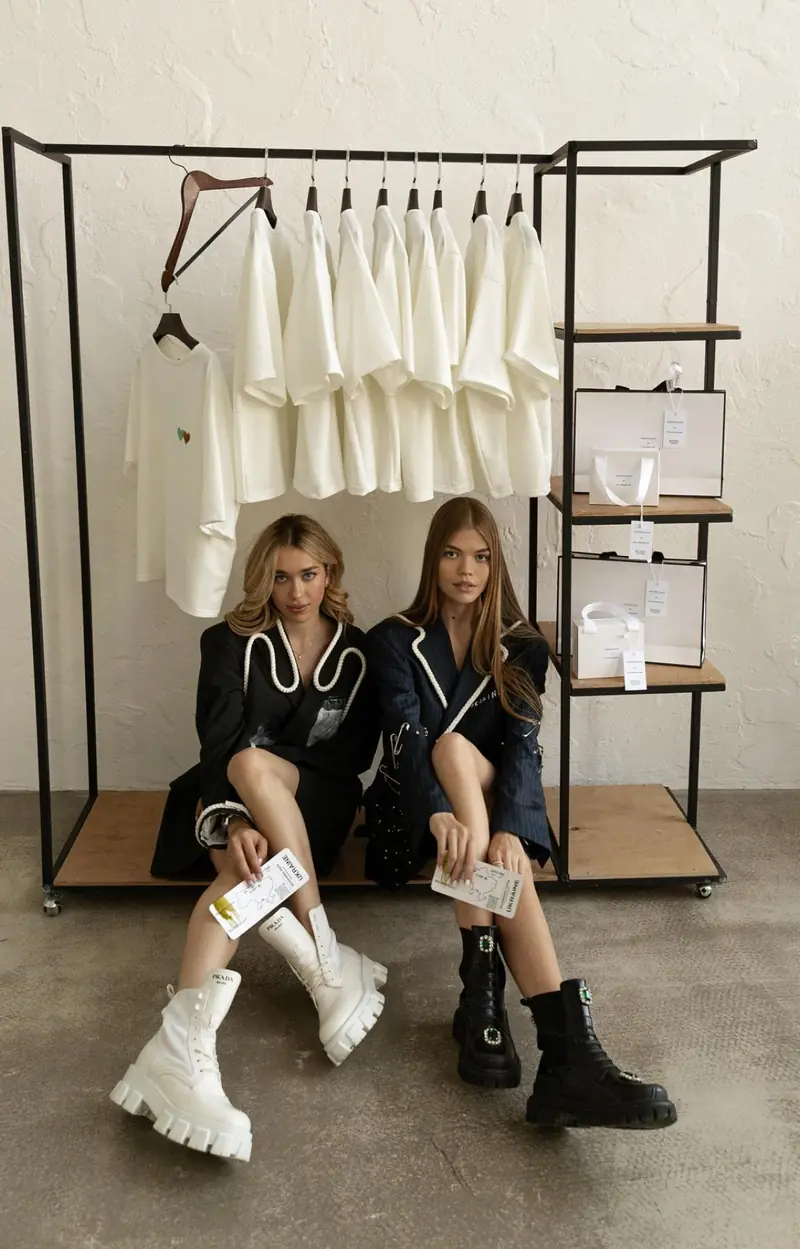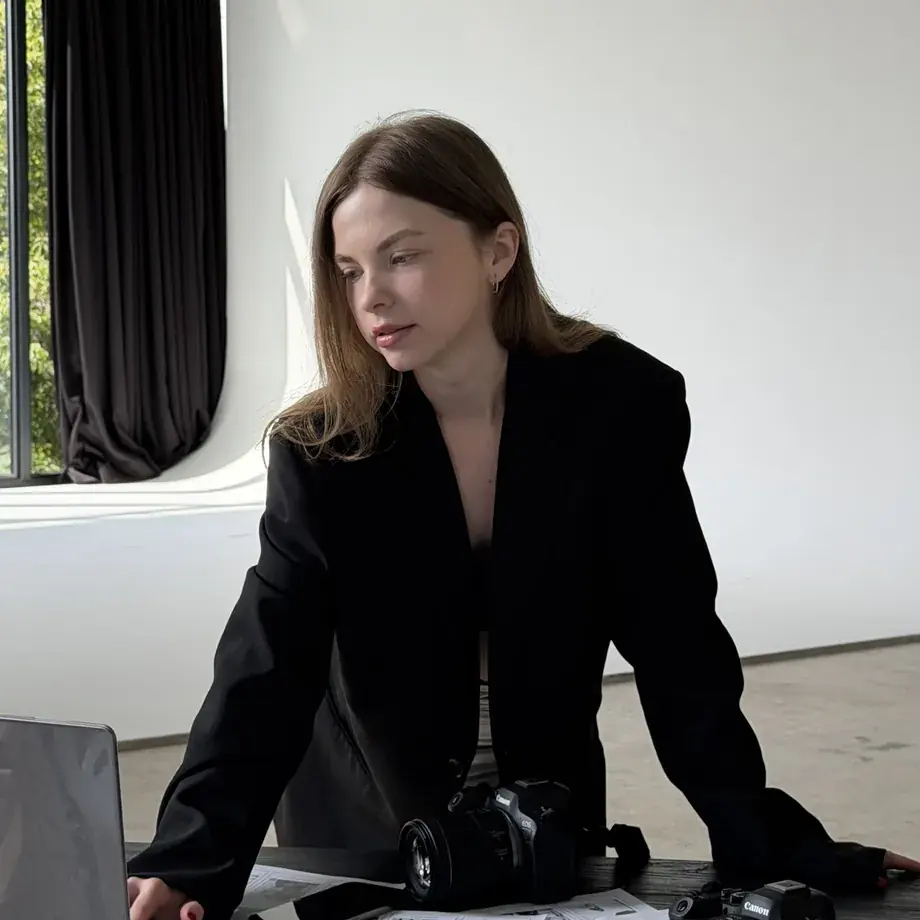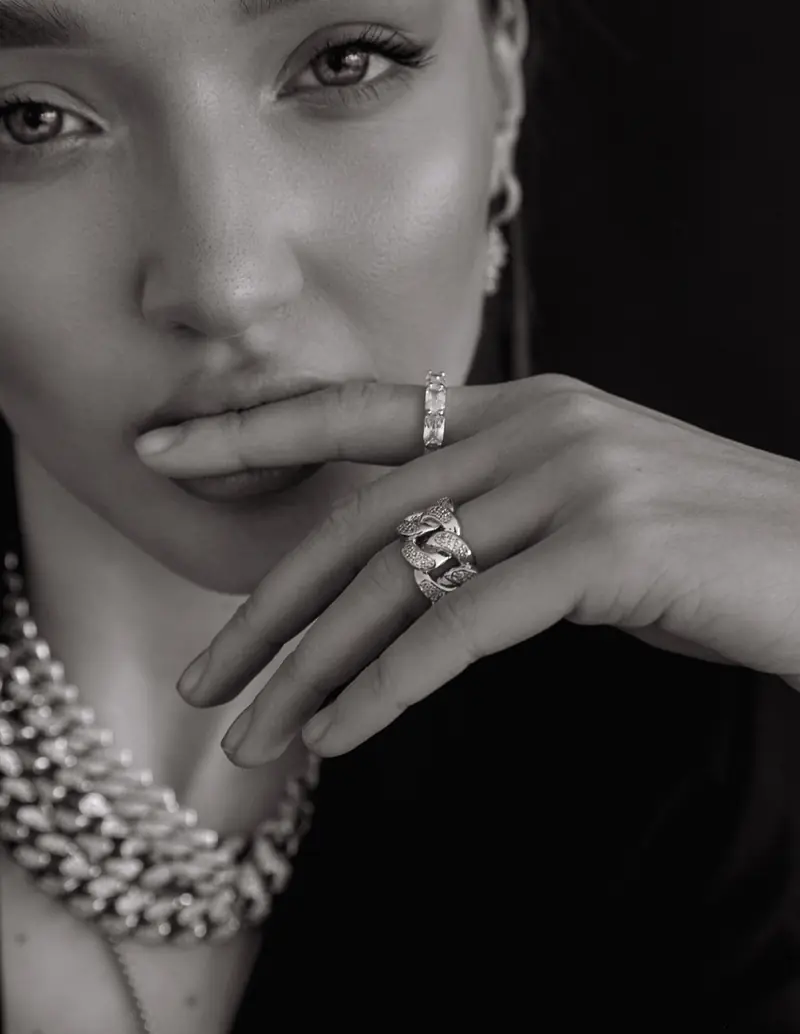
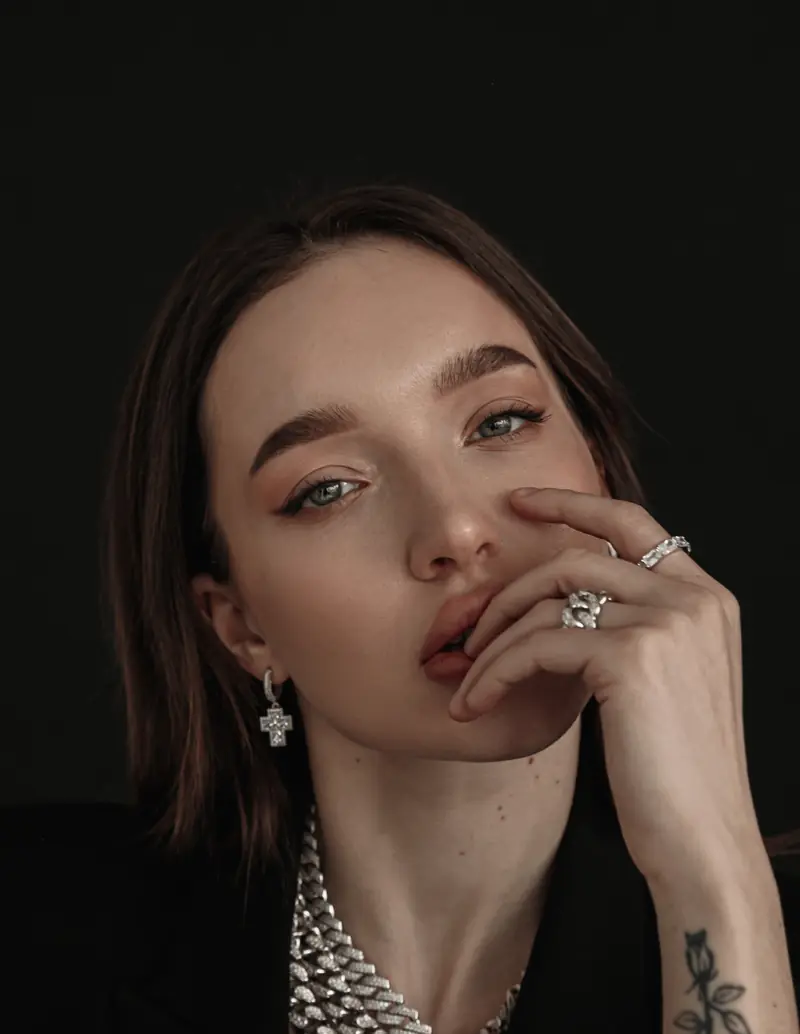
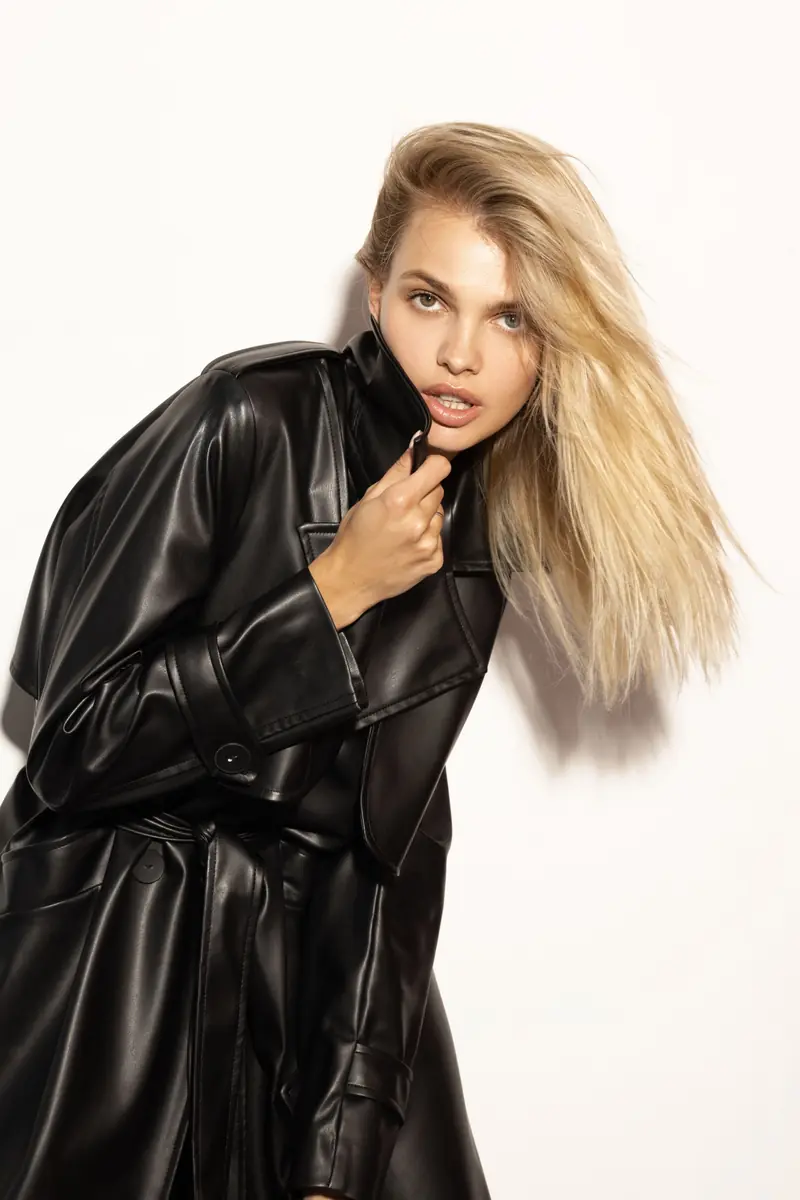
An editorial shoot in Toronto is planned around a story, and the smart move is starting with a moodboard that fixes the mood, light, colour, wardrobe and locations before anyone picks up a camera. Casting, wardrobe, location and a shot list follow. The moodboard keeps everyone on the same page, which saves everyone a headache later.
What makes a photoshoot editorial rather than commercial?
An editorial shoot is built around a story or a theme, not around a single product. It tells the reader something: a mood, an idea, a character. The images work together as a set, like a short film in stills.
Our editorial and magazine photography covers editorial stories, magazine covers, publications and billboard campaigns. <!-- F027 --> That is the scope of the work, from a story for the page to billboard campaigns.
Editorial work gives more creative freedom than many commercial briefs, which is exactly why it needs a plan. Without one, freedom turns into a day of trying things.
What do editorial photography examples look like?
These are story types to think with, not claims about our work:
- A character story. One person in their own space, doing something ordinary.
- A place story. A building or a street at different hours.
- A craft story. Hands, tools and process.
- A mood story. One colour and one feeling, carried through a set.
Why start with a moodboard?
A moodboard gives everyone a shared visual language. The photographer, the people in front of the camera and the people who commissioned the shoot all look at the same page and see the same thing.
That saves decisions on the day. When the question "does this feel right?" comes up, the moodboard answers it. Without one, each person pictures something slightly different, and the differences show up on set.
Our posts have covered moodboards and concepts, and brand and concept work can include a moodboard. <!-- F040 --> Treat it as a working tool, not a decoration. It also makes the first conversation with a photographer easier: instead of describing a feeling in words, you point at a page and say, this, but warmer. It helps you spot disagreements early, while changing your mind is still easy.
What are the steps from idea to shoot day?
The order matters, because each stage narrows the next:
- Idea. The story in one sentence.
- Moodboard. The visual language for that story.
- Team and casting. Who is needed in front of and behind the camera.
- Wardrobe and location. Pieces and a setting that match the palette and work practically.
- Shot list. The key frames, in priority order.
- Shoot day. Follow the plan, and leave room for a good surprise.
- Selection and usage. Choose the frames that serve the story as a set, and check which crops each place needs.
We suggest keeping planning light: a shared document is usually enough, as long as the idea and the moodboard come first. If the work is for a magazine or a publication, add one more question at the start: who decides what is final?
For a clothing brand, the same logic applies to a collection. See our guide to planning a lookbook shoot for how these stages look when the goal is to show a range.
What should you agree before the shoot day?
Three things are easier to settle in writing before anyone is on set:
- People. Agree releases for anyone who appears, and tell them how the images may be used.
- Location. Check that the place allows photography, and ask who gives permission.
- Usage. Before booking, ask what is included and how the images may be used. <!-- F082 -->
What goes on a moodboard?
A moodboard is a handful of strong images, grouped under clear headings. Too many references blur the message. Here is how the sections sit on one page:
<figure> <svg viewBox="0 0 640 250" role="img" aria-labelledby="mb-title mb-desc" xmlns="http://www.w3.org/2000/svg" style="height:auto;max-width:640px"> <title id="mb-title">Moodboard layout</title> <desc id="mb-desc">A board with the story sentence across the top, then panels for palette, light, wardrobe, location, poses and textures, and a panel for what we do not want.</desc> <rect x="10" y="10" width="620" height="44" rx="8" fill="none" stroke="currentColor" stroke-width="2"/> <text x="26" y="38" font-size="15" font-weight="700" fill="currentColor">Story in one sentence + three mood words</text> <rect x="10" y="66" width="200" height="78" rx="8" fill="none" stroke="currentColor" stroke-width="2"/> <text x="26" y="110" font-size="14" fill="currentColor">Palette</text> <rect x="220" y="66" width="200" height="78" rx="8" fill="none" stroke="currentColor" stroke-width="2"/> <text x="236" y="110" font-size="14" fill="currentColor">Light</text> <rect x="430" y="66" width="200" height="78" rx="8" fill="none" stroke="currentColor" stroke-width="2"/> <text x="446" y="110" font-size="14" fill="currentColor">Wardrobe and styling</text> <rect x="10" y="156" width="200" height="78" rx="8" fill="none" stroke="currentColor" stroke-width="2"/> <text x="26" y="200" font-size="14" fill="currentColor">Location</text> <rect x="220" y="156" width="200" height="78" rx="8" fill="none" stroke="currentColor" stroke-width="2"/> <text x="236" y="200" font-size="14" fill="currentColor">Poses and textures</text> <rect x="430" y="156" width="200" height="78" rx="8" fill="none" stroke="currentColor" stroke-width="2" stroke-dasharray="6 5"/> <text x="446" y="200" font-size="14" fill="currentColor">What we don't want</text> </svg> <figcaption>One page, one story: each panel holds a few images and a line on why they are there.</figcaption> </figure>
Here is one filled in for an imaginary story. It is an example, not a client project:
- Story. A florist closes the shop on a rainy evening.
- Three mood words. Quiet, damp, warm.
- Palette. Deep green, cream, one spot of red.
- Light. Soft window light, with a warm lamp as the accent.
- Wardrobe. A wool coat, a linen apron, rubber boots.
- Location. A small shopfront with a glass window.
- What we don't want. Glossy retouching, bright party colours, stock-flower clichés.
Three rules help. Use references for mood, not to copy someone's work. Keep to a few strong images per panel. And write a line next to each image saying why it's there, because "I like it" doesn't help a team.
Stuck on the story? Message us on Instagram @be_an.art or use the contact page.
Where does editorial end and campaign begin?
They overlap, but the job differs:
| Editorial | Campaign | Portrait | |
|---|---|---|---|
| Focus | A story or theme | A product or offer | A person |
| Creative freedom | High | Set by the brief and the brand | Shaped by the person |
| Main goal | Tell something | Sell something | Show someone |
In real projects they often mix, for example a brand campaign shot in an editorial style. For the product side of that choice, read our comparison of catalogue versus campaign photography. If your shoot is part of a wider brand picture, what your brand is beyond a logo is worth a look before you finalize the moodboard. More services for companies are on the brands page.
Checklist: build your moodboard
- Write the story in one sentence and choose three mood words.
- Collect a handful of references for each panel, with one line on why each is there.
- Add a short "what we don't want" panel.
- Check that the references describe a mood, not a copy of another person's shoot.
- Decide where the images will appear and what crops that needs.
- Note what is fixed and what is open for discussion.
What to send us:
- your idea in a sentence
- where the images will run
- your references, if you have them
Planning an editorial shoot? We love a good story. Message us on Instagram @be_an.art. Pricing is shared on request. See how our editorial and magazine photography works.
Frequently asked questions
What makes a shoot editorial?
It is built around a story or theme, for a magazine, a publication or a brand that wants an editorial look, rather than around a single product.
What is a moodboard and why do I need one?
A moodboard is a collection of references that fixes the mood, colour, light and styling. It gives everyone one shared vision before the shoot, so fewer decisions are left for the day.
Can I copy a photographer's work for my moodboard?
Use references to describe the mood and look you want, not to recreate someone else's images. A good moodboard explains why each image is there.
What should I bring to the first conversation?
Bring your story in one sentence, a handful of references, and a clear idea of where the images will appear. Also say what is fixed and what is still open.
Written by Anna · Nov 23, 2026 · 7 min read.